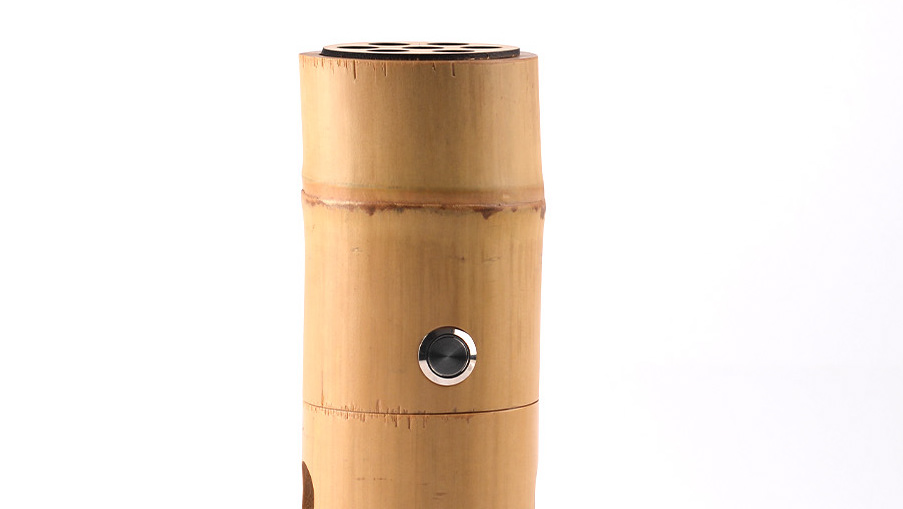
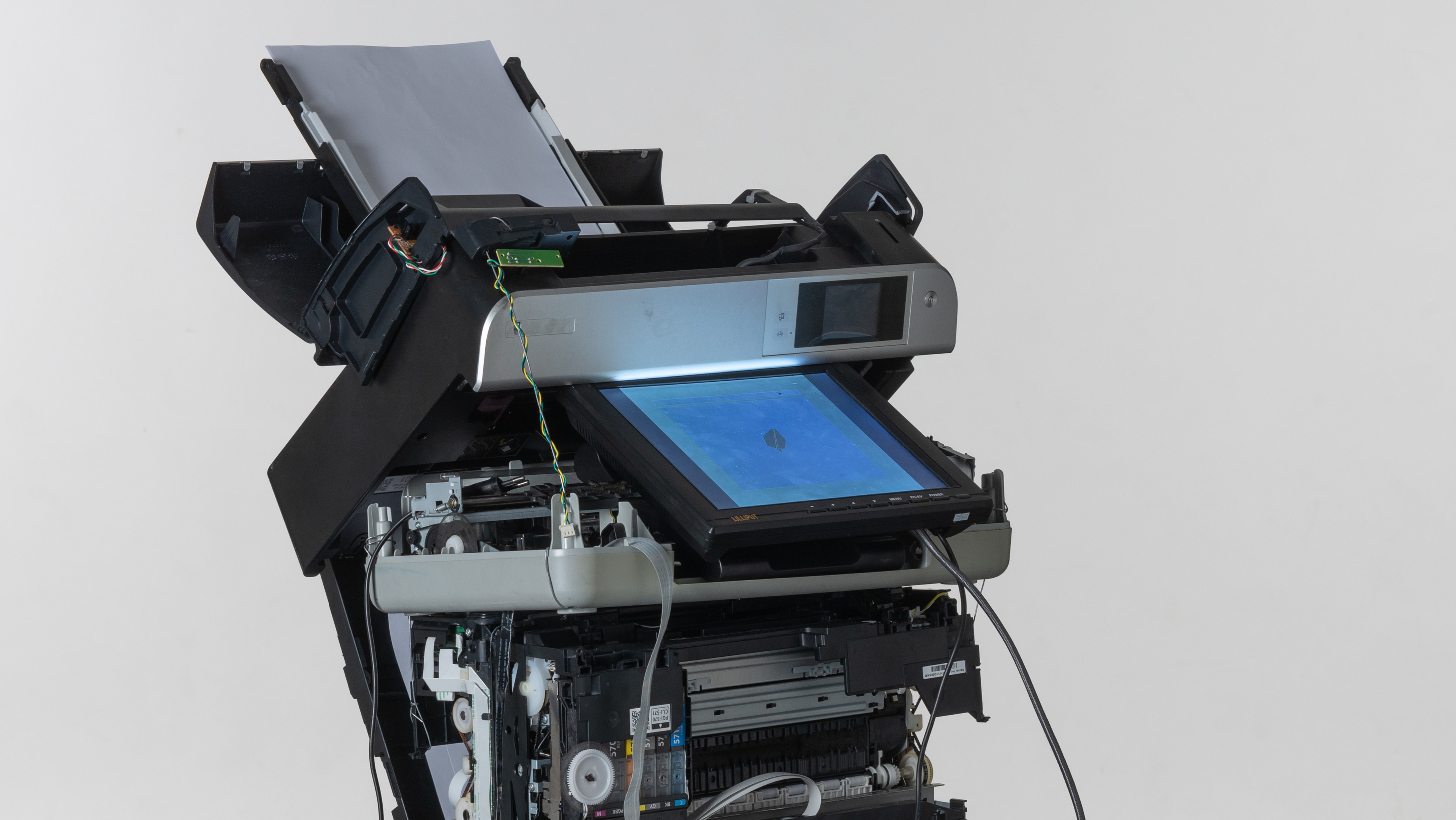
The current geopolitical situation has affected every nation and every individual across the world. Countries are increasingly seeking to strengthen themselves by controlling and producing energy resources. As a result, inflation and energy prices continue to rise, placing economic pressure on ordinary people and forcing many communities to rely once again on primary resources such as wood for cooking and heating.
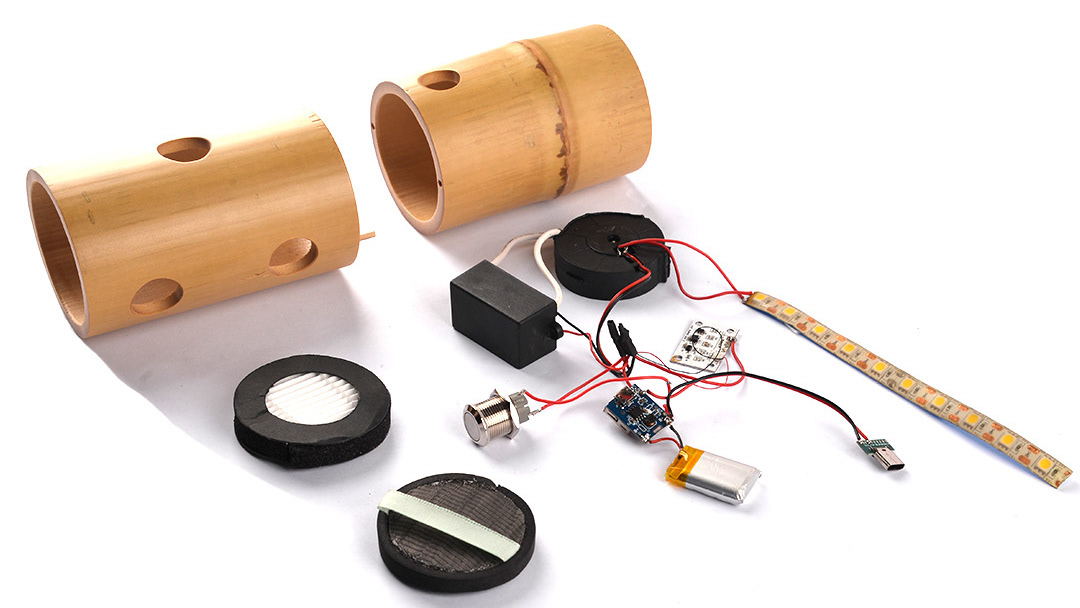
Through my research, I wish to shed light on something already familiar to many of us, yet rarely explored deeply enough: bamboo charcoal. My interest lies in understanding how bamboo charcoal can contribute towards sustainable energy transformation. More specifically, I began exploring whether a bamboo charcoal battery could be part of a circular, sustainable energy system.
At first, the idea seemed highly unconventional, even absurd. However, this curiosity led me to question whether we could move away from our current unsustainable energy practices and develop alternative systems rooted in renewable and circular materials. Exploring Sustainable power source and combining it to create a hybrid system that suits the energy demands of metal electroplating, process by making a Bamboo Charcoal Battery.
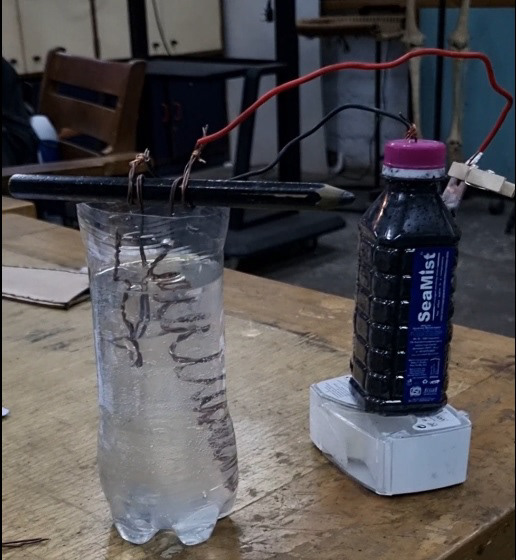
The setup made for electrolysis by using Bamboo Charcoal
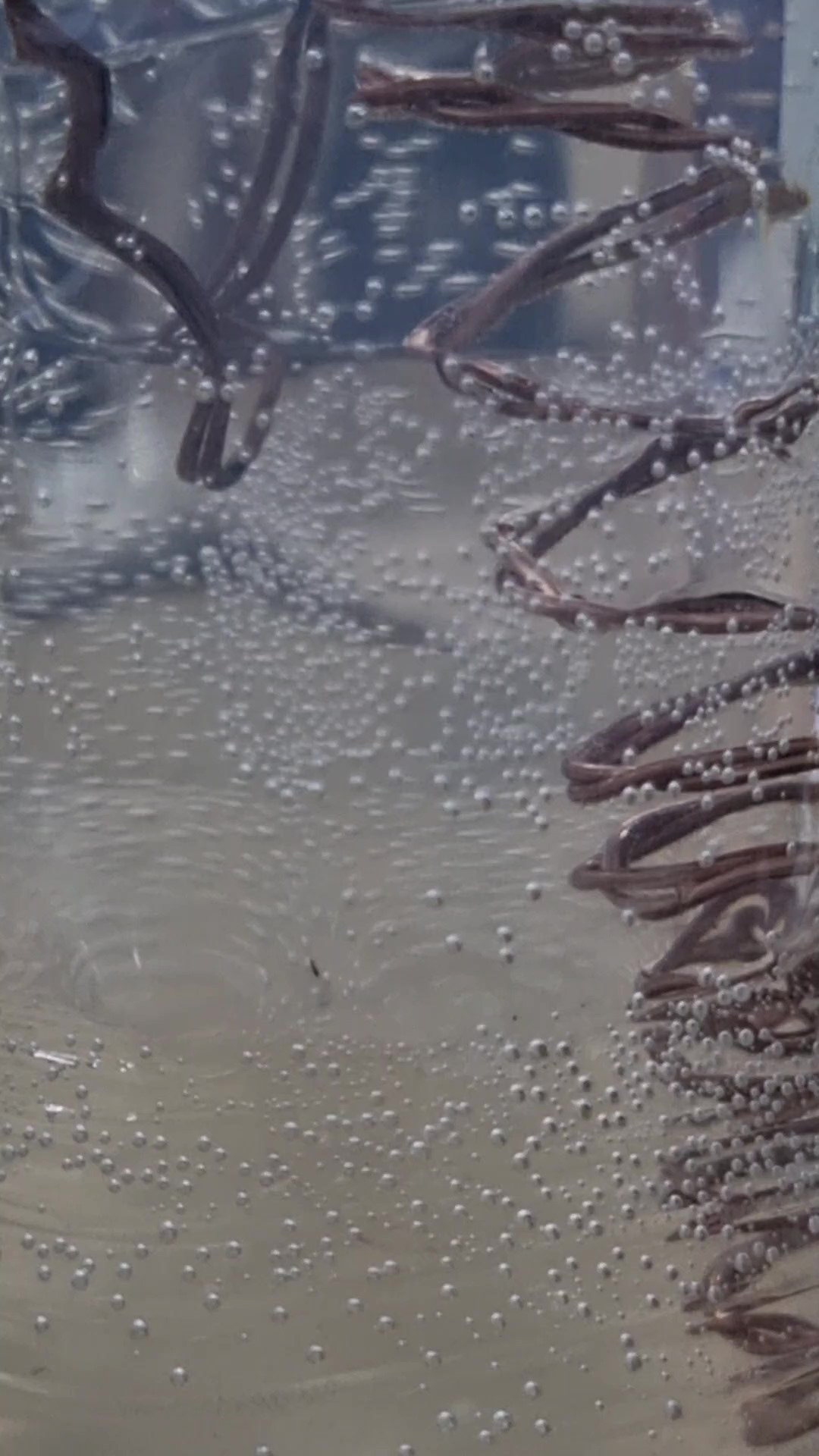
We can see the reduction happening at CATHODE as the copper wire has turned black (on left) , and oxidation at ANODE as the copper wire has turned pinkish brown colour (on right)
As per the brief, the sole idea was to use a sustainable material and as a consideration by using bamboo charcoal for the battery aligns with the core idea of sustainability. Bamboo, as a rapidly re newable resource with low environmental impact, is an ideal material. Its use supports Eco-friendly energy solutions, combining sustainability, biodegradability, and energy efficiency in a single design.
the making Process
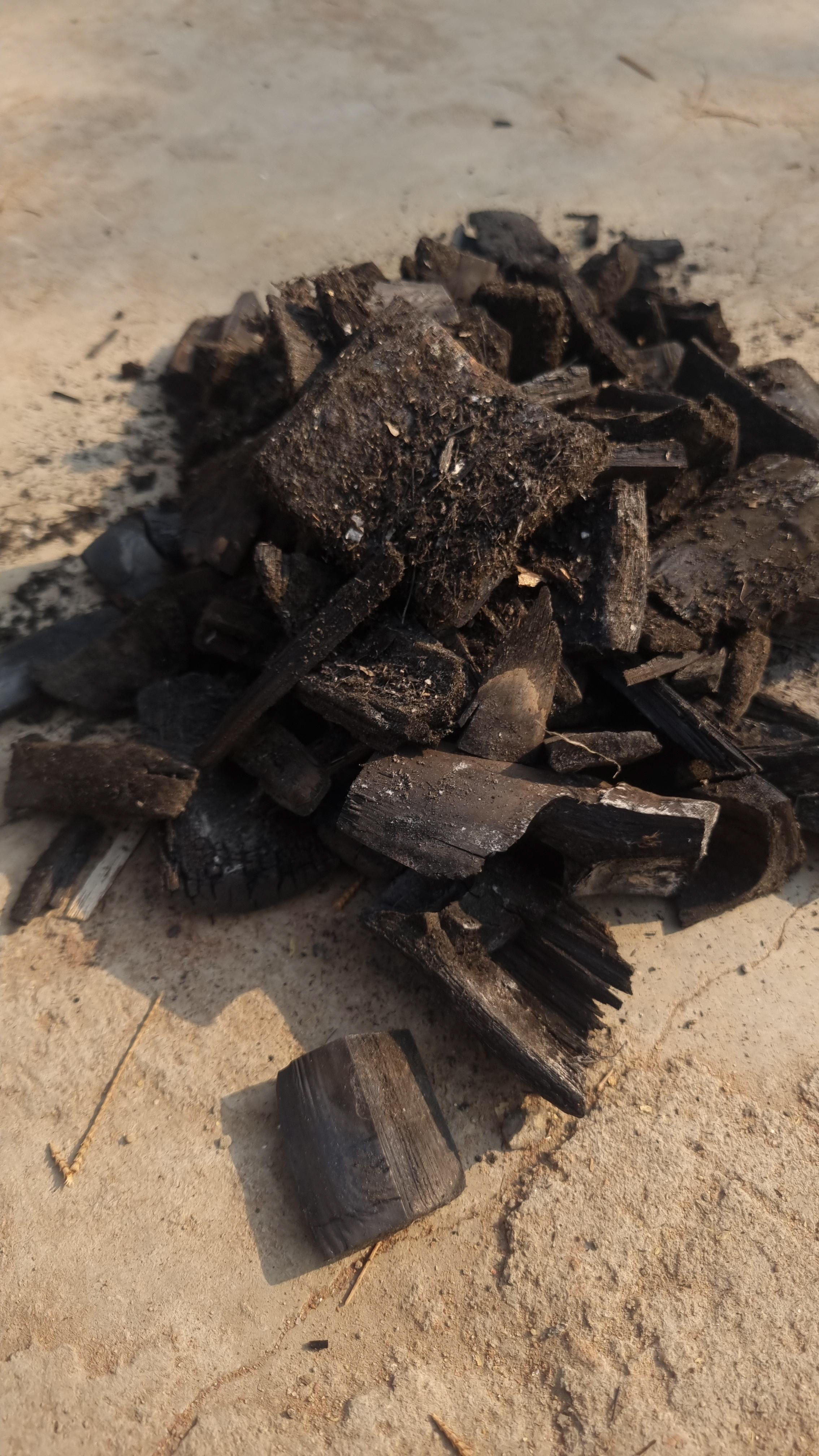
Exploring Bamboo Charcoal, keeping in mind the transforming of Chemical to Electrical Energy by understanding electrochemical reactions,I made a small battery from Bamboo Charcoal by using salt and soda in the Bamboo Charcoal ,which works as an electrolyte. Then I connected the cathode to the copper wire and Anode to the Aluminium foil and tried electrolysis process, whereas the electricity acquired was very less around 0.002A=2000μA.
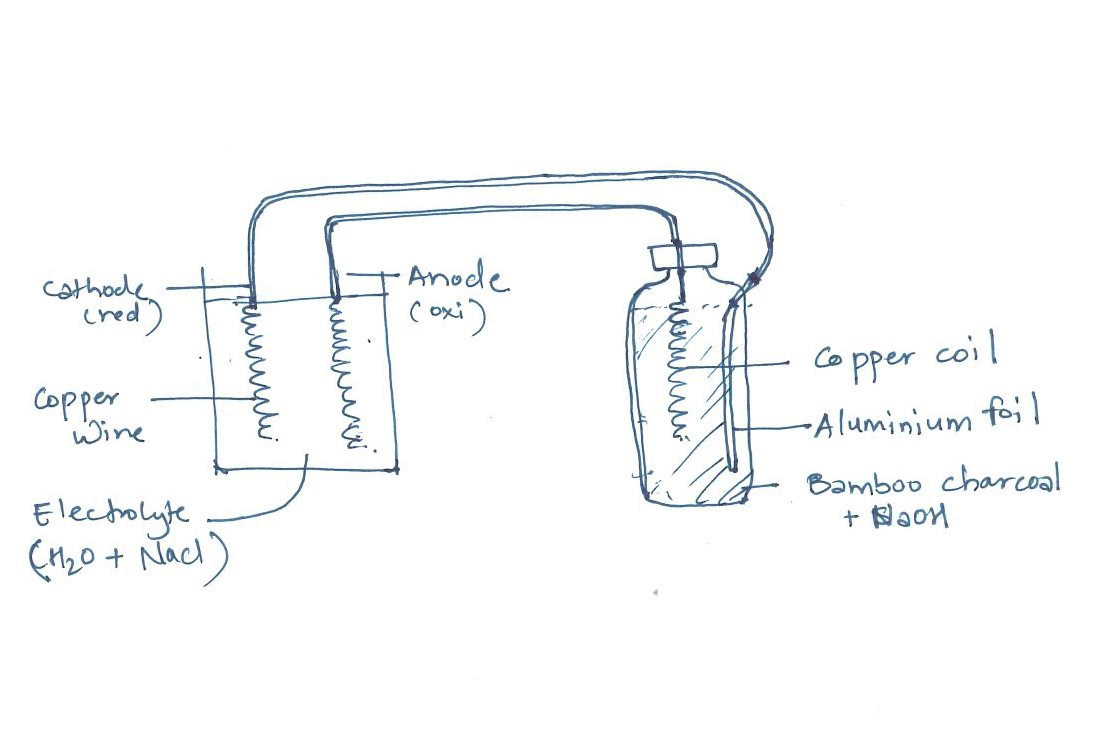
I just kept the whole setup for around 3-4 hours. Conversion of Chemical to Electrical Energy is seen, we can see the reduction happening at CATHODE as the copper wire has turned black (on left) , and oxidation at ANODE as the copper wire has turned pinkish brown colour (on right). Activated charcoal provides the surface for reduction to occur (just as in an “alkaline” battery), and because of its very finely divided nature, resulting in many air pockets, it also supplies the oxygen.
Futher this piece of Charcoal was a i recountered in Taiwan through the works of Dr. Shi-Ming Huang.
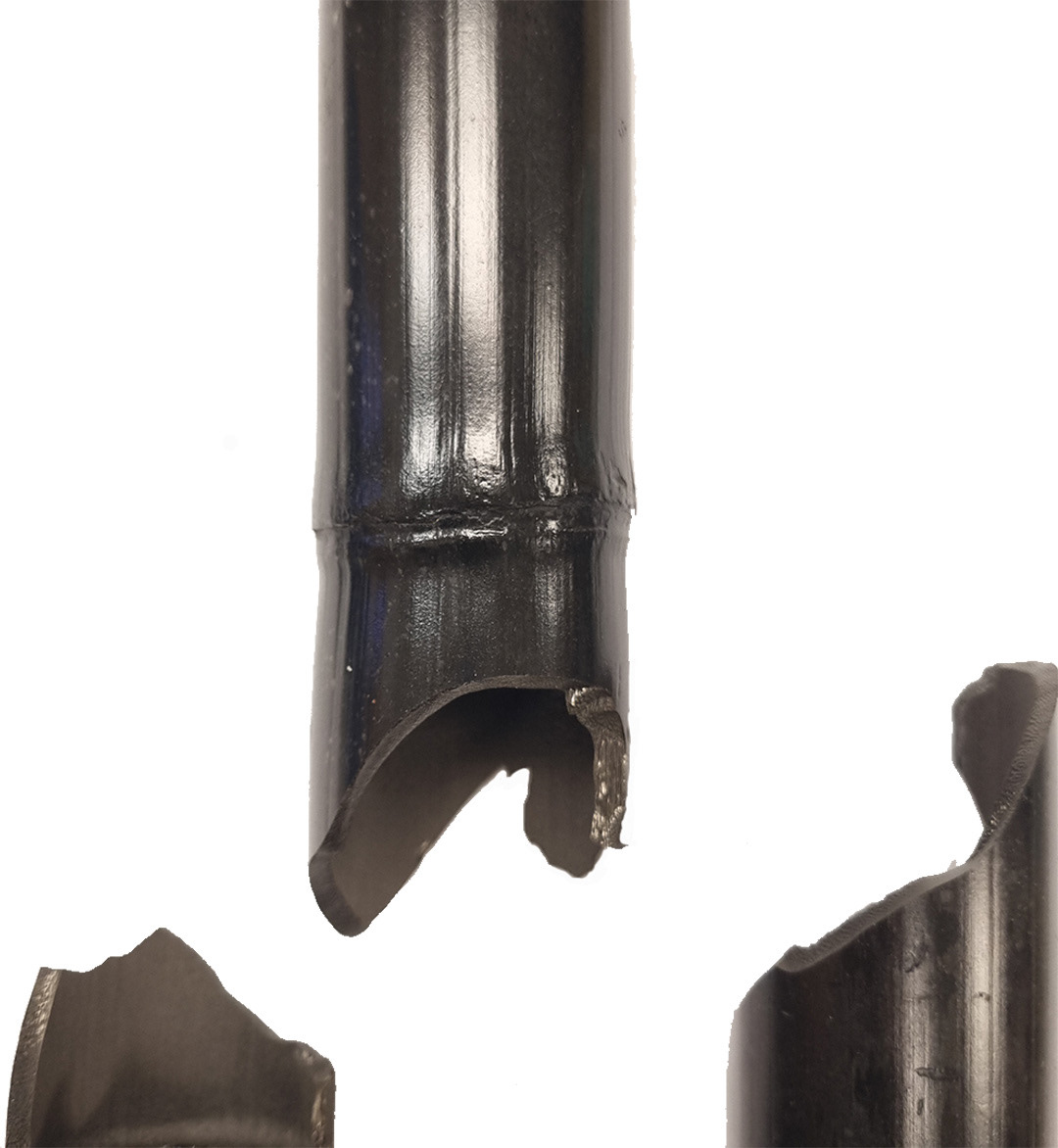
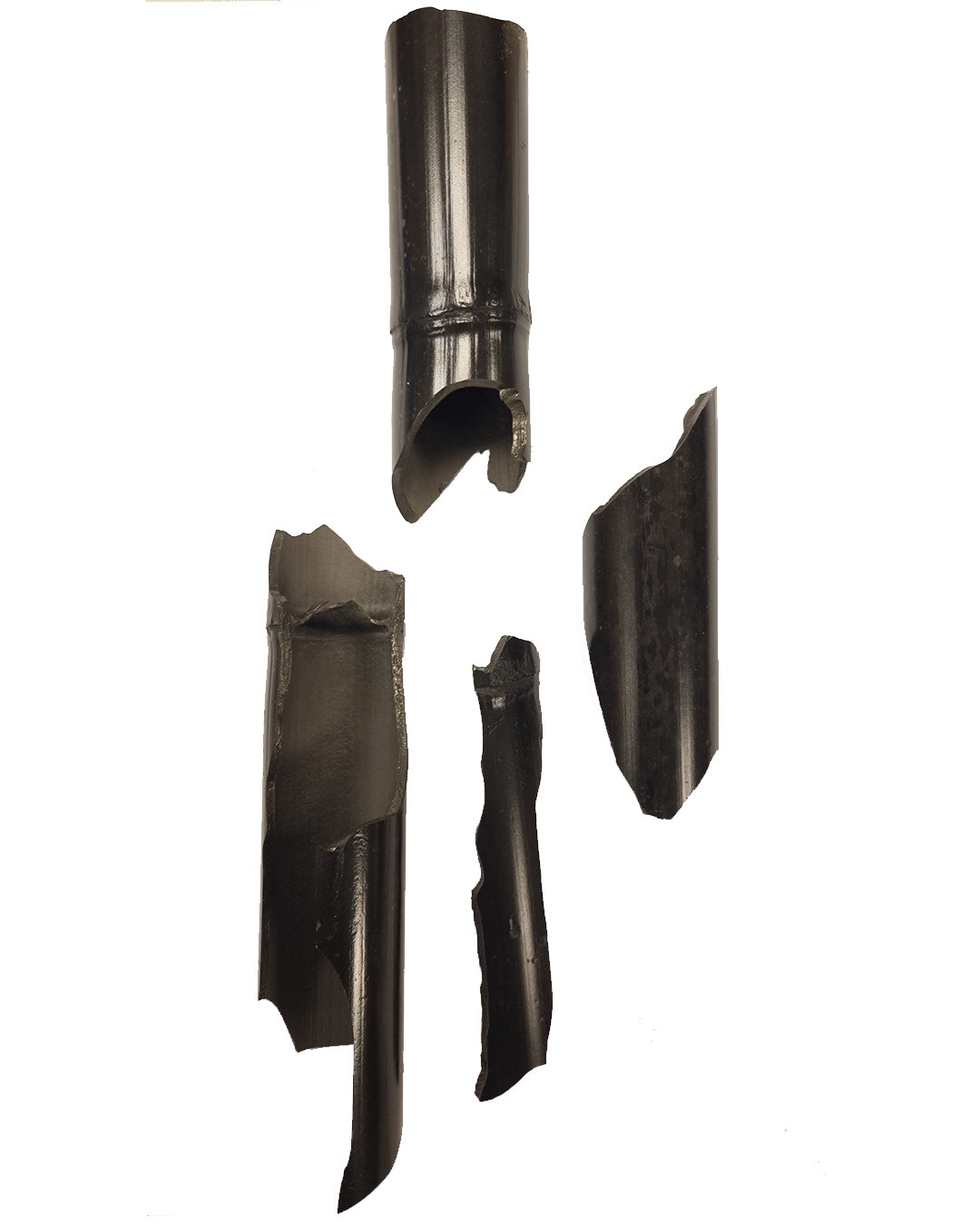
Research work by Dr. Shi- Ming Huang , CCU Taiwan
Observing SiC (Silicon Carbide) ceramics made from bamboo is through Carbothermal reduction at high temperature around 2100 °C in an inert atmosphere.
观察由竹子制成的SiC(碳化硅陶瓷)是在惰性气氛(氩气气氛)中在2100°C左右的高温下通过碳热还原制成的
观察由竹子制成的SiC(碳化硅陶瓷)是在惰性气氛(氩气气氛)中在2100°C左右的高温下通过碳热还原制成的